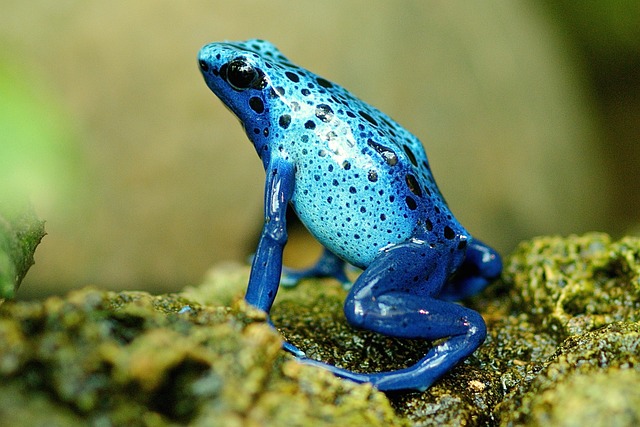


When it comes to the delicate balance of nature, amphibians play a crucial role. These remarkable creatures are constantly evolving and adapting to the ever-changing environment. One fascinating aspect of amphibians is their ability to survive in permanent states that most other animals could not endure. This unique trait allows them to thrive in various habitats, making them an essential part of our ecosystem.
Amphibians, such as frogs, toads, and salamanders, undergo incredible transformations throughout their lives. From aquatic tadpoles to terrestrial adults, they navigate between different worlds with grace and resilience. This adaptability is key to their survival in permanent states where conditions may be harsh and unforgiving.
The journey of amphibians is a testament to the wonders of nature and the importance of preserving our biodiversity. As we witness their remarkable ability to thrive in the face of adversity, we are reminded of the fragility of our planet and the urgent need to protect it. By safeguarding their habitats and promoting conservation efforts, we can ensure that future generations will continue to marvel at these extraordinary creatures.
It is essential for us to learn from amphibians and embrace change to survive in our own permanent states.” Just like these resilient animals, we must adapt to our surroundings, overcome challenges, and strive to coexist harmoniously with nature. By understanding and appreciating the journey of amphibians, we can gain valuable insights into our own capacity for resilience and transformation.
As we immerse ourselves in the fascinating world of amphibians, let us reflect on the interconnectedness of all living beings and the profound impact we have on each other. Through our actions and choices, we have the power to shape the future of our planet and create a sustainable environment for all creatures, including the remarkable amphibians that continue to inspire us with their journey in permanent states.