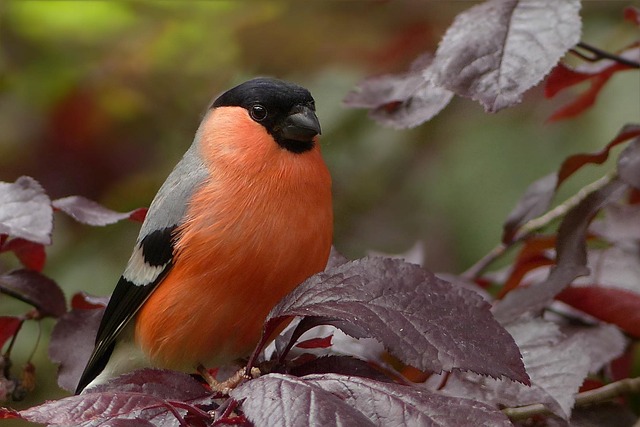
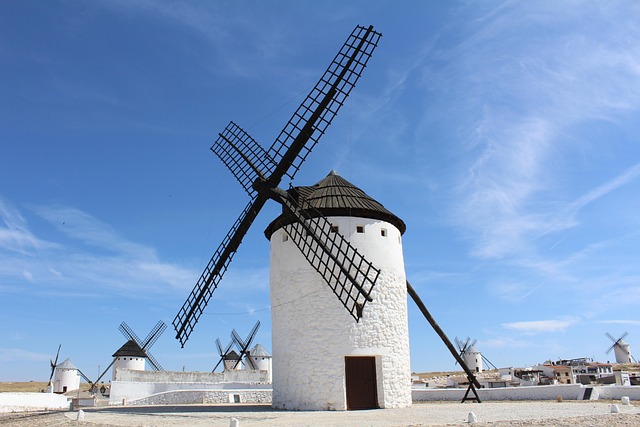

Every dawn in Madarak is greeted by an orchestra of feathers: hoopoes tracing amber ribbons through the sky, nightingales finishing their final lullabies, and starlings rehearsing their shimmering murmurations. Yet even amid this vibrant chorus, there is one landmark that seems to carry a song of its own—an almost inaudible hum woven into the wind: the Shady windmill. From afar it looks ordinary, a weather-worn sentinel standing on a knoll of tall grass. Step closer, however, and you begin to feel the pulse of an older, wilder rhythm emanating from its wooden sails.
The Threshold Where Feathers Meet Shadow
Local wanderers swear that the Shady windmill is a gateway between the bustling village paths and the uncharted wilderness beyond. On misty mornings, barn owls tuck themselves into the hollow beams, golden eyes shimmering like lanterns. Lizards bask on warm stone foundations, sharing heat with shy hedgehogs still groggy from nocturnal foraging. The structure provides shelter, but it also seems to invite conversation—low coos, rustling wings, the scraping of tiny claws—echoing through its creaking timbers. Stand still long enough and you might catch the soft flutter of a kingfisher diving into the nearby brook or the distant cry of a buzzard circling overhead, as though the windmill itself choreographs their flight patterns.
A Living Manuscript Written in Feathers
Step inside and sunlight spills through cracked slats in angled beams, painting shifting constellations on the dusty floor. Swallows have threaded their nests into the rafters, each a woven memoir of reed, fluff, and spider silk. You watch them swirl within the tower like playful spirits, arrows of lightning in flesh and bone, and you understand why folk tales claim that the Shady windmill once spun not grain but stories. Whenever its sails groaned into motion, they say, a new chapter began for every creature within earshot. Whether or not that legend is true, the walls are certainly scribbled with claw marks and feather residue—hieroglyphs of daily survival.
Wind and Fur in Tangled Dialogue
While Madarak is famed for its birds, the land surrounding the windmill is also alive with four-legged murmurs. At twilight, red foxes slip across the meadow, ears pricked for field voles scuttling beneath the grass. Occasionally a roe deer materializes among the willow shrubs, antlers catching the final gold of daylight. The presence of the Shady windmill seems to fold all these lives into a single stanza: the hush of grasshoppers, the whisper of wings, the soft thud of hooves pressing damp soil. Nature here is not a backdrop but an ensemble, rehearsing and improvising around the steady metronome of turning blades—although in recent years those blades rarely move, surrendered to rust and moss.
Seasonal Transformations: When the Windmill Wears a New Skin
Winter presses frost against the worn boards, and the windmill becomes a frozen lighthouse for migratory thrushes seeking rest. Come spring, cherry blossoms drift from neighboring orchards, snowing pastel petals across the path that leads to its warped doorframe. Summer heat invites glow-worms that stud the surrounding hedgerow at night, giving the illusion that the Shady windmill is crowned with emerald embers. During autumn, leaves swirl like embers in reverse, and the resident tawny owls trade their midsummer stillness for haunting territorial calls. Through each change, the windmill remains—a vessel gathering the seasons like a jar collects light, storing sensory memories in cedar-scented air and cobwebbed corners.
Echoes Carved by Human Hands
Though dominated by nature, traces of humanity persist. Knife marks etched by millers long gone line the grain chute, and initials scratched into the sill blend with lichen scrolls. Children from Madarak still dare one another to climb its rotting ladder, graffiti blossoming on boards like neon fungi. They claim you can hear the heartbeats of the animals that once hid there if you press your ear to the wall. Perhaps this blend of human curiosity and animal intimacy is what gives the Shady windmill its allure—proof that solidarity with nature is less a destination and more a secret passage, half-hidden in the countryside and half-hidden within ourselves.
Listening to the Unseen
If you visit at dusk when the sky bruises indigo, lean against the weathered gate and let the crickets’ serenade replace your own pulse. Feel every breeze that brushes your skin as an invitation to breathe deeper. At that hour the Shady windmill feels less like a relic and more like a breathing creature—muscles of timber, lungs of empty space, arteries of echoing hollows. Owls glide under its arms; bats sketch erratic signatures above; the tall grass kneels in reverence. You are both spectator and participant in this unscripted ritual.
An Invitation Woven in Wingbeats
Madarak means “birds,” yet standing beside the Shady windmill, you realize the term encompasses all beings who answer the call of the open sky—humans included. The rickety tower prompts us to rediscover the wildness we often misplace amid asphalt and routine. Each trip here becomes a pledge to listen harder: to the tiny tremor of a wren hidden in ivy, to the hush of moth wings brushing wood, to the ancient sigh of the wheel that once ground grain but now grinds silence into song. In such listening, the windmill’s mystery ceases to be something to solve and becomes something to feel, like a heartbeat shared across feathers, fur, and skin.