
Setting the Scene: Dawn in Halak
When the first gold ribbons of sunrise slide over the emerald peaks of Halak, a gentle hush settles on the valley. Sparrows flutter between tamarisk branches, mossy rocks glisten with dew, and the distant lowing of cattle folds into the wind like a lullaby. In this moment of stillness, the simple act of preparing a soft-boiled egg feels less like cooking and more like participating in the timeless rhythm of animals and nature that define Halak’s soul.
The Egg’s Journey: From Hen to Bowl
Every delicate soft-boiled egg begins with the proud Halak hen, a glossy-feathered bird that roams freely among patches of mountain thyme and wild clover. Her diet of native herbs gifts the yolk a remarkable saffron glow, carrying a scent reminiscent of the flowering meadows she forages in. Farmers here treat the brood with reverence, letting each hen select her own nesting nook beneath weather-smoothed limestone ledges. Collecting the eggs is an act of gratitude: calloused hands stroke downy feathers in thanks, mindful that every translucent shell holds the echo of birdsong and breeze.
Why Softness Matters
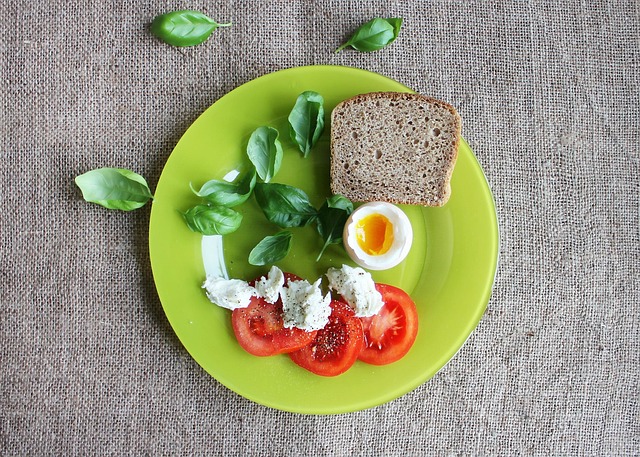
In Halak’s food lore, firmness speaks of burden, but softness whispers of harmony. A soft-boiled egg should tremble like the belly of a spring fawn, its molten core mirroring mountain sunsets rippling across Lake Salar. Breaking the shell releases more than flavor; it frees memories of grazing goats, rushing streams, and the rustle of juniper leaves. Each spoonful becomes a miniature panorama of Halak’s wilderness, warm against the tongue and fragrant like freshly turned soil after rain.
The Nature Around Your Morning Kitchen
- Soundscape: The drip of snowmelt off cedar needles beats time while your pot begins to simmer.
- Scent trail: Steam rises, carrying hints of earthy mineral notes from pure spring water, mingling with the peppery aroma of wild sorrel picked at dawn.
- Sightline: A kestrel circles overhead, its silhouette flashing across your window; you watch yolk pulse beneath a fragile white just as the bird dives toward river reeds.
Step-by-Step Ritual
1. Source the egg: Choose one still warm from the nesting box, speckled by dust but glowing with life.
2. Wash gently: Use velvet-soft rainwater collected in cedar barrels, preserving the natural bloom.
3. Heat the water: In a copper kettle, allow it to reach a rolling whisper rather than a roar—a cue learned from listening to waterfall cadences.
4. Lower softly: Cradle the egg in a carved olive-wood spoon; submerge for precisely four minutes and forty heartbeats, counting to the rhythm of a woodpecker tapping in distant firs.
5. Cool just enough: Plunge into a bowl of river-chilled water mixed with elderflower petals to halt the cook and impart a floral hint.
6. Crack and serve: Tap the shell against a polished river stone, letting the first wisp of steam rise like mist along valley floors at dawn.
Pairing with Halak Traditions
A soft-boiled egg here is rarely eaten alone. Locals pair it with bark-fired barley bread spread with pine honey, or nest it atop foraged nettle greens wilted in goat cream. Shepherds tuck a peeled egg into a pouch of fern to keep it warm while tending their flocks, breaking it open beside grazing sheep whose wool already carries the scent of mountain sage. Even wolves, seen at twilight edges, seem to pause respectfully when the aroma of freshly cracked yolk drifts across open fields.
To partake of a soft-boiled egg in Halak is to merge with the pulse of living terrain—each bite an ode to fluttering wings, damp earth, and the abiding kindness that threads people, animals, and nature into one breathing tapestry.